
In a stunning turn of events that has captivated the nation, basketball legend Michael Jordan has publicly accused President Joe Biden of abusing his executive power. The accusation centers on alleged attempts to compel Jordan to join LGBT advocacy campaigns across the United States.
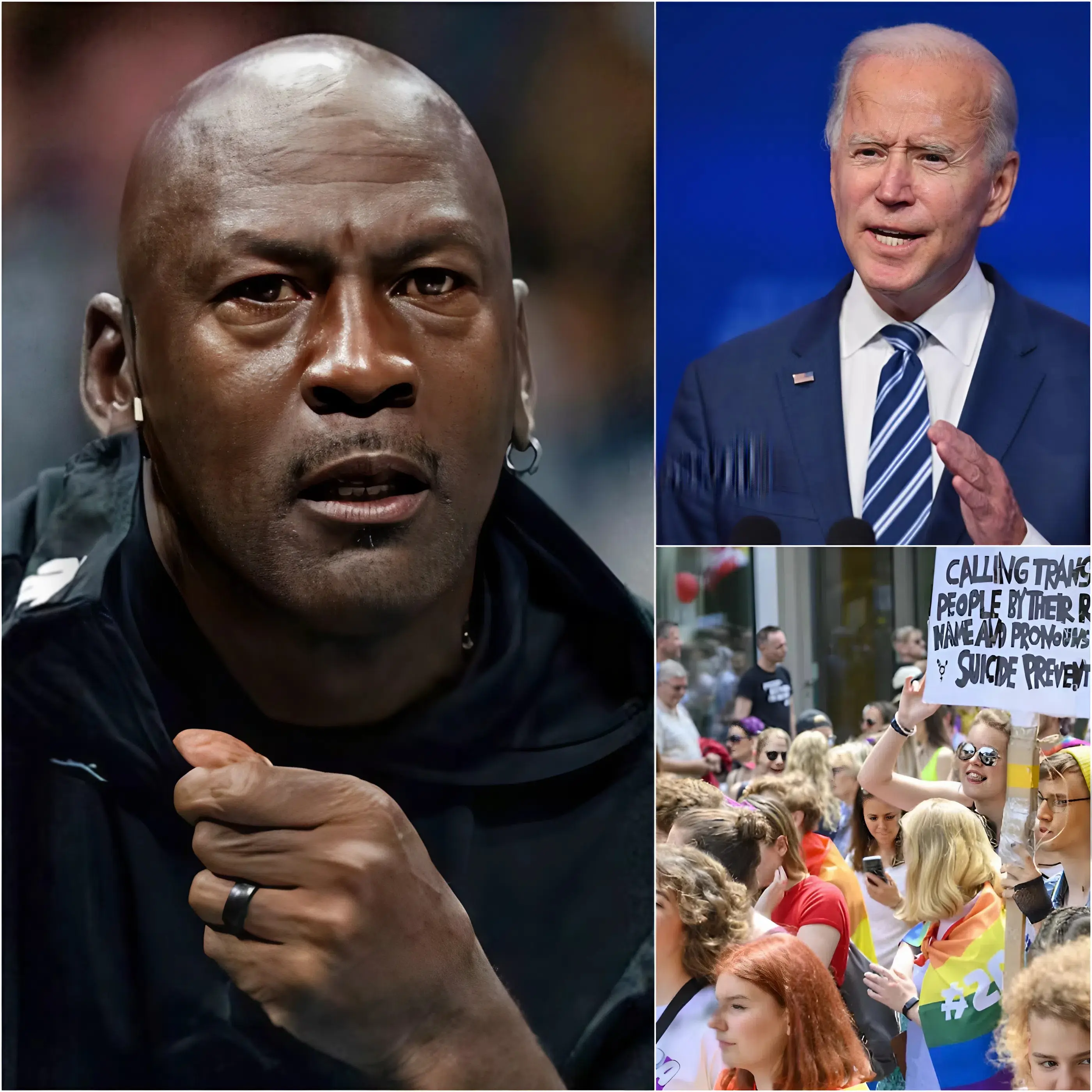
This controversy erupted amid discussions about promoting diversity in sports arenas.
Jordan, known for his iconic career with the Chicago Bulls, claimed that the administration tried to force his involvement in upcoming tennis tournaments scheduled for next year. He expressed strong opposition, stating he dislikes mixing such promotions with athletic events. The statement quickly went viral, sparking heated debates online.
The president’s response came swiftly and with a sarcastic tone, highlighting Jordan’s rise to fame through American support. Biden questioned how someone who benefited from national values could now reject them. This retort amplified the feud, drawing reactions from politicians and fans alike.
Less than five minutes after Biden’s comments, Jordan fired back with a concise ten-word statement that resonated deeply. “America thrives on freedom, not forced agendas from above.” This powerful slap left the entire country speechless, igniting widespread discussions on personal liberty.
The origins of this clash trace back to recent White House initiatives aimed at enhancing LGBT visibility in professional sports. Sources indicate that Jordan was approached multiple times to endorse these efforts, including appearances at major events. His refusal reportedly escalated tensions within political circles.
Sports enthusiasts are divided over Jordan’s stance, with some praising his commitment to keeping athletics apolitical. Others criticize him for potentially alienating diverse fan bases. This divide reflects broader societal debates on inclusion versus individual choice in public figures’ roles.
Biden’s administration has long championed equality causes, including support for LGBT rights through various policies. The president’s sarcasm in responding to Jordan underscores a perceived betrayal of shared American ideals. Analysts suggest this could impact public perception of both men.
Jordan’s history of avoiding political entanglements makes this outburst particularly noteworthy. Throughout his career, he focused on basketball excellence rather than advocacy. This shift raises questions about what prompted his vocal opposition now, especially regarding tennis involvement.
Tennis tournaments mentioned in the accusation include high-profile events like the US Open and others planned for 2026. Jordan’s unexpected link to tennis puzzled many, as his expertise lies in basketball. Speculation abounds that this was a broader push for cross-sport promotions.
Social media exploded following the exchange, with hashtags like #JordanVsBiden trending nationwide. Celebrities and athletes weighed in, some supporting Jordan’s right to decline, while others backed Biden’s call for unity. The online buzz amplified the story’s reach exponentially.
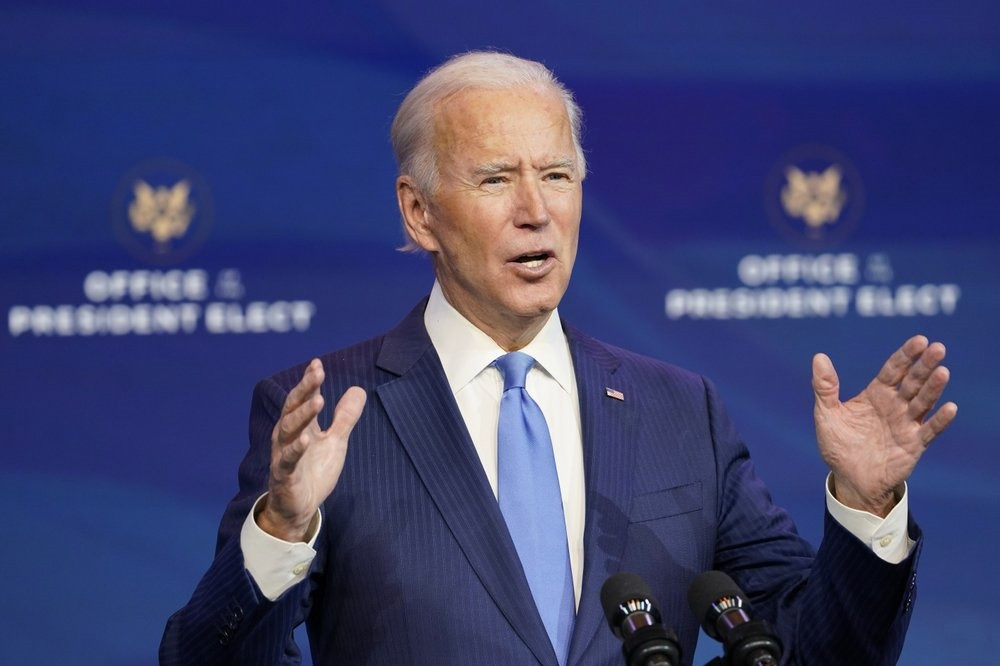
Political commentators view this as a microcosm of larger cultural wars in America. Issues like LGBT advocacy in sports have become flashpoints, pitting traditional views against progressive agendas. Jordan’s accusation highlights the challenges of navigating these waters.
The White House has yet to issue a formal statement beyond Biden’s initial retort. Insiders hint at potential meetings to resolve the matter privately. However, the public nature of the feud suggests reconciliation might be difficult in the current climate.
Jordan’s ten-word response has been hailed as a masterclass in concise rebuttal. It encapsulated themes of personal freedom and resistance to authority. Many see it as a defining moment in his post-retirement legacy, beyond his six NBA championships.
Supporters of LGBT rights argue that Jordan’s position undermines progress made in inclusive sports environments. They point to successful campaigns that have fostered acceptance among athletes. This backlash adds another layer to the ongoing controversy.
Conversely, conservative voices applaud Jordan for standing firm against what they perceive as governmental overreach. They frame his stance as a defense of individual rights in an increasingly polarized society. This support bolsters his image among certain demographics.
The incident raises questions about the role of celebrities in political advocacy. Should figures like Jordan be obligated to support national values? Or does fame grant them autonomy to choose their causes? These debates are fueling academic and media discussions.
Biden’s sarcastic remark about Jordan’s fame originating from American support struck a chord with many. It reminded the public of the collective effort behind icons’ success. Yet, it also invited criticism for belittling Jordan’s achievements.
As the story unfolds, attention turns to potential ramifications for upcoming sports events. Will Jordan participate in any advocacy, or will he withdraw entirely? Organizers of tennis tournaments are monitoring the situation closely for impacts.
Public opinion polls are beginning to reflect the divide, with a slight majority favoring Jordan’s right to refuse. This data suggests shifting attitudes toward mandatory participation in social causes. It could influence future policy decisions on celebrity endorsements.
Jordan’s accusation has also spotlighted the intersection of politics and sports. Historical examples, like athletes protesting inequality, provide context. This modern clash adds to that narrative, emphasizing power dynamics between leaders and stars.
The speed of the exchange—accusation, response, and counter in minutes—demonstrates the power of digital platforms. It allowed real-time engagement, turning a private dispute into a national spectacle. This rapidity captivated audiences across generations.
Advocates for sports neutrality argue that forcing participation dilutes the purity of competition. They support Jordan’s view that athletics should remain focused on skill and entertainment. This perspective resonates with traditional fans.
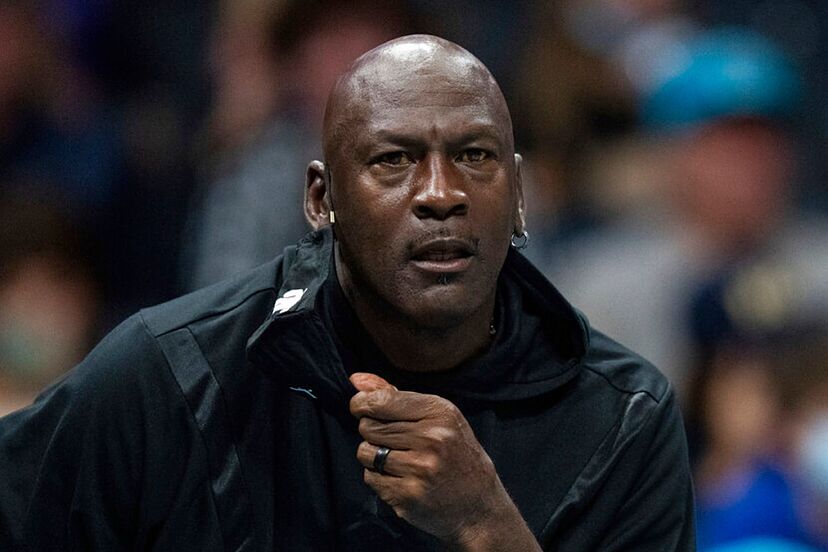
On the other hand, proponents of integration believe promoting LGBT advocacy strengthens community bonds. They see Biden’s efforts as essential for progress. The president’s sarcasm aimed to rally this base against perceived resistance.
Ultimately, this controversy may redefine boundaries between personal beliefs and public expectations. Jordan’s bold stand challenges the status quo, while Biden’s response defends institutional values. The outcome could shape future interactions in similar arenas.
As America processes this shocking exchange, one thing is clear: it has united people in conversation. Whether agreeing with Jordan or Biden, the dialogue fosters deeper understanding of freedom and advocacy in society. The nation watches for the next development.