

There is a quiet, sober reality that exists beneath the glittering lights of the National Rugby League, one that the fans watching from the comfort of the grandstands rarely get to see. We tune in week after week to watch modern-day gladiators push their bodies to the absolute limit, celebrating their triumphs, dissecting their failures, and treating them almost as invincible figures of strength. But behind the heavy hits, the blistering steps, and the tactical masterclasses are human beings who bleed, bruise, and occasionally break.
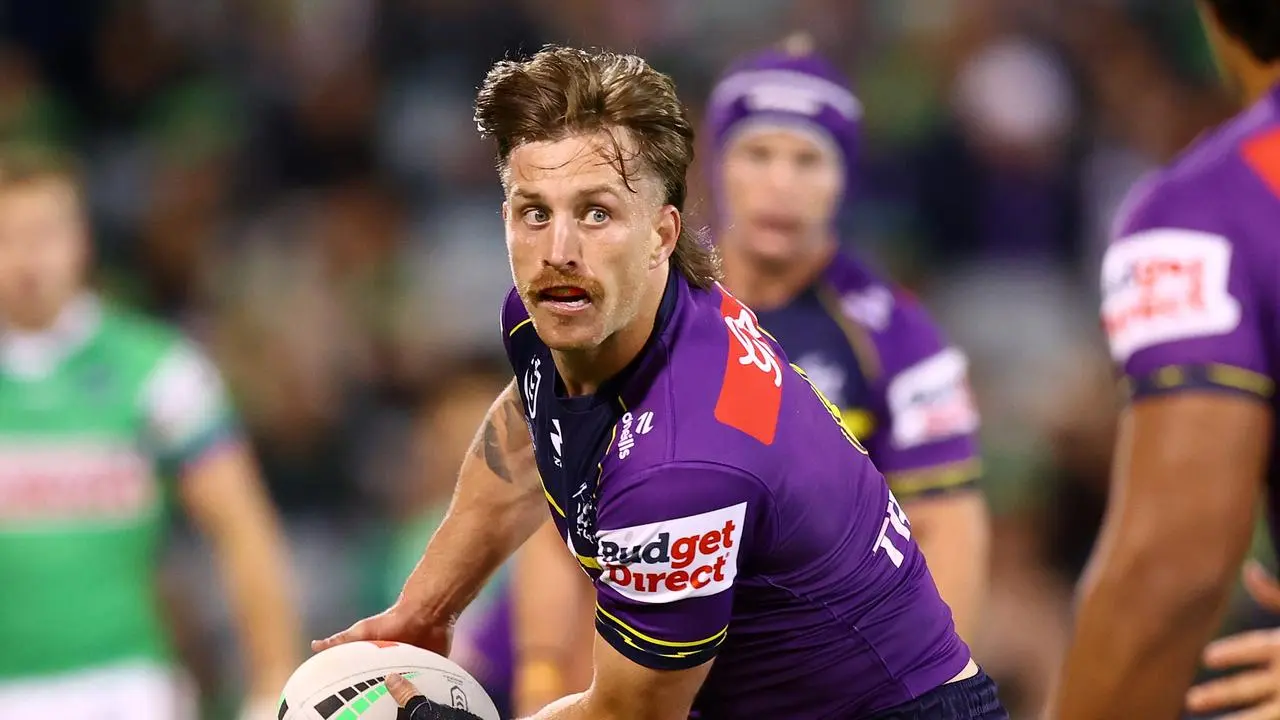
Among these figures, few carry as much charisma, joy, and raw competitive fire as Melbourne Storm and Queensland Maroons superstar Cameron Munster. For years, Munster has been the heartbeat of every team he represents—a player whose infectious energy and unpredictable brilliance can light up an entire stadium. Yet, behind that trademark grin, a deeply emotional struggle has been brewing, culminating in a moment of raw vulnerability that has touched the hearts of rugby league fans everywhere.
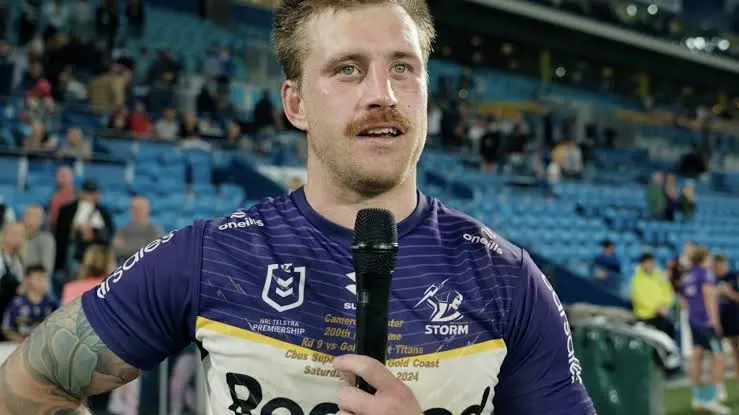
The physical demands of elite rugby league are unforgiving, but the mental toll of enduring chronic pain while trying to maintain world-class standards is an entirely different battle. Recently, Munster opened up about the immense weight he has been carrying, and his words were a stark, heartbreaking reminder of how fragile an athletic career can truly be.
“I don’t know when I’ll be able to play again, the injury has ravaged my body and now I really need some mental support…” Munster confessed, his voice devoid of its usual playful cadence, replaced instead by a profound, heavy sadness.
This candid admission did not come from a place of defeat, but from a place of sheer, exhausting honesty. For a player who has spent his entire adult life defining himself by his physical prowess, admitting that his body is struggling to cope is an incredibly difficult hurdle to overcome. Munster’s playstyle has always been defined by explosive lateral movement, sudden acceleration, and an unapologetic willingness to throw his body into the defensive line. Over time, that high-octane style exacts a heavy toll.
The news that he is scheduled to undergo knee meniscus surgery immediately following the grueling State of Origin series has only added to the complexity of his situation. While a recovery timeline of four to six weeks is standard for such a procedure, the psychological impact of going under the knife yet again, coupled with the uncertainty of how his body will respond post-surgery, has left the champion playmaker feeling deeply isolated.
To understand the depth of Munster’s sadness, one must look at the timing and the context of his current predicament. The State of Origin period is widely regarded as the most intense, physically punishing arena in world sport. To prepare for and compete in such a high-stakes environment while knowing that your knee is structurally compromised requires an almost superhuman level of pain tolerance and mental fortitude. Munster pushed through the pain because of his fierce loyalty to his state and his club, but the human body eventually demands its dues.
The realization that he must transition directly from the emotional highs of the Origin arena to the cold, quiet reality of a hospital bed and a lonely rehabilitation program has understandably left him feeling vulnerable.
As the rugby league community rallied around Munster following his emotional comments, the focus naturally shifted to his ultimate support system: his family. In times of profound professional crisis, it is often those closest to the athletes who bear the heaviest emotional burden. All attention turned to Munster’s wife, Bianca, who broke her silence to share an intimate, grounded perspective on what the family has been experiencing behind closed doors.
Her revelations did not aim for sensationalism; instead, they provided a deeply moving window into the daily reality of living with a partner whose body and mind are being tested to their absolute limits.
Bianca revealed that the lively, energetic Cameron Munster the public sees on television is often a stark contrast to the quiet, exhausted husband who returns home. She spoke of the sleepless nights, the quiet moments of frustration when his knee refuses to cooperate, and the painful process of watching someone you love struggle to do the one thing that brings them the most joy.
She described how the chronic pain has not only affected his physical capabilities but has also cast a shadow over his mental well-being, making the upcoming surgery a daunting prospect not just for his career, but for their everyday family life. Bianca’s strength and willingness to speak openly about these struggles highlighted the invisible scaffolding that keeps elite athletes standing when their world feels like it is crumbling.
The logic of Munster’s vulnerability and his wife’s supportive revelations forces us to confront a highly necessary conversation within professional sports: the vital intersection of physical rehabilitation and mental health support. For decades, the culture of rugby league demanded that players “tough it out,” suppressing emotional struggles in favor of projecting an image of unbreakable masculinity. However, Munster’s willingness to publicly ask for mental support is a watershed moment for the sport.
When a player of his stature, known for his toughness and big-game temperament, admits that he needs help navigating the psychological distress of injury, it sends a powerful message to young athletes everywhere that vulnerability is not a sign of weakness, but a courageous step toward healing.
Recovery from a meniscus tear is often viewed through a purely clinical lens—surgeons repair the cartilage, physiotherapists guide the movements, and sports scientists track the power output. But the mind must heal just as thoroughly as the knee. The anxiety of wondering if you will ever regain that extra yard of speed, the fear of re-injury upon your return, and the sudden loss of identity that comes from being separated from your teammates are powerful emotional hurdles.
By addressing these concerns openly, Munster is ensuring that his eventual return to the field will be built on a foundation of genuine wellness rather than rushed expectations.
The Melbourne Storm and the wider rugby league community now face a period of reflection. The club must navigate the crucial upcoming weeks of the premiership season without their star player, but more importantly, they must ensure that Munster is given the time, space, and professional resources to heal completely. The four-to-six-week recovery window should not be viewed as a countdown clock to his immediate return, but rather as a sanctuary for him to rebuild his physical strength and find his mental peace once again.
Ultimately, Cameron Munster’s current journey is a testament to the heavy price of greatness. The very attributes that have made him an icon of the game—his relentless effort, his disregard for personal safety, and his absolute dedication to his team—are the very things that have brought him to this vulnerable juncture.
As he prepares for surgery and the quiet weeks of rehabilitation that lie ahead, he does so with the knowledge that he is supported not just by world-class medical staff, but by a loving family and a rugby league community that respects him as much for his humanity as they do for his athletic genius.
In a sporting culture that historically prioritized physical toughness over emotional expression, how can clubs and sporting organizations better integrate proactive mental health frameworks to support athletes through the isolating and often devastating periods of long-term injury rehabilitation?