
The atmosphere surrounding the Spanish national football team has become one of the most closely followed stories in European football as preparations continue for the 2026 FIFA World Cup. Spain remains one of the strongest footballing nations in the world, blessed with a new generation of technically gifted players capable of competing at the highest level. At the heart of that new generation is Lamine Yamal, a player widely considered one of the brightest young talents in international football.
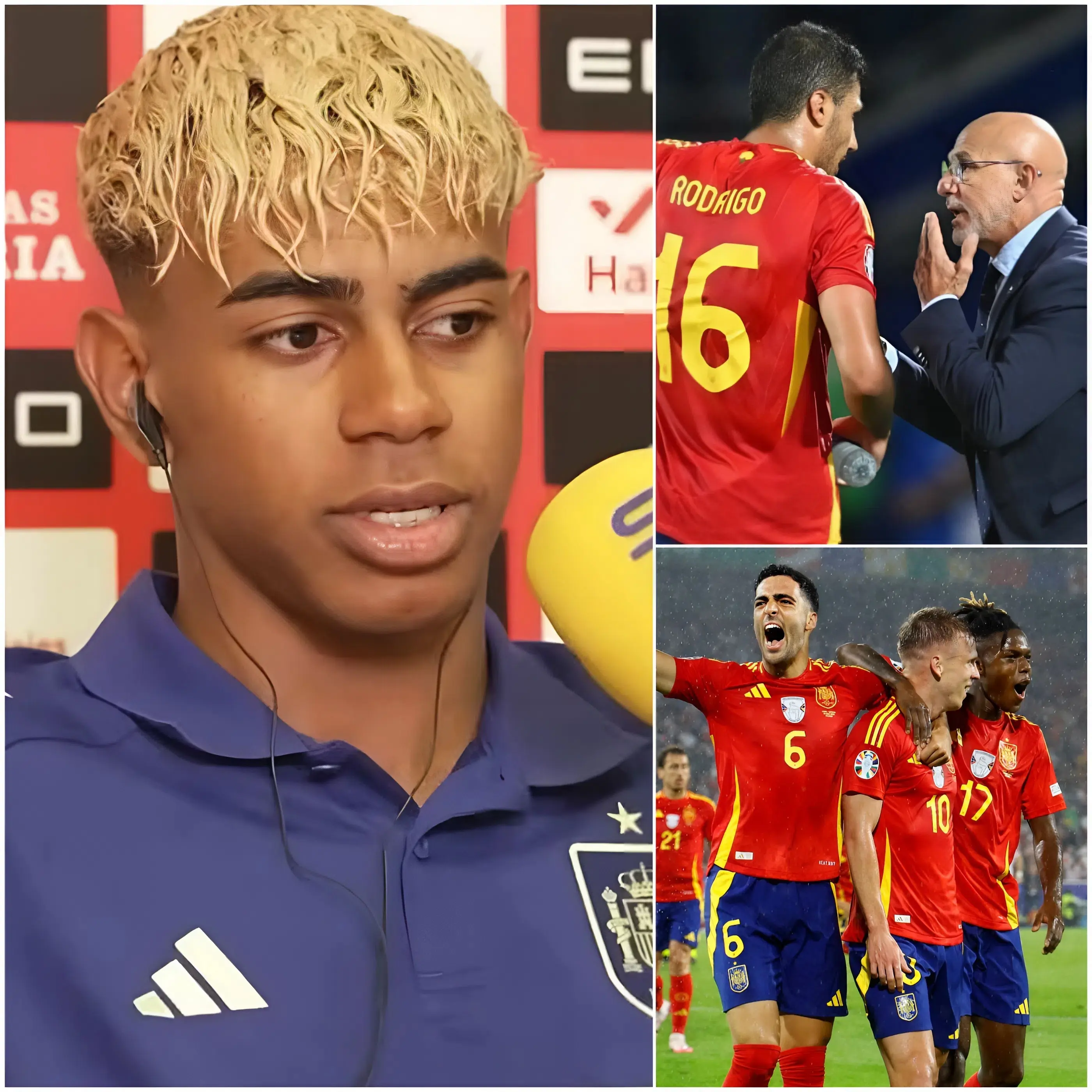
Despite his young age, Yamal has already become a key figure for both FC Barcelona and the Spanish national team. His creativity, composure on the ball, and ability to influence matches in difficult situations have drawn praise from former players, coaches, and analysts across Europe. Many fans see him as a cornerstone of Spain’s future, especially now that the national team is entering a new era under coach Luis de la Fuente.
In recent days, however, attention has shifted from tactics and on-field performances to speculation about potential disagreements within the team. Reports circulating in football media outlets claimed that Yamal had privately expressed frustration with certain players included in Spain’s projected World Cup squad. According to these rumors, the young forward allegedly questioned whether some players were truly performing at the level required for a major international tournament.
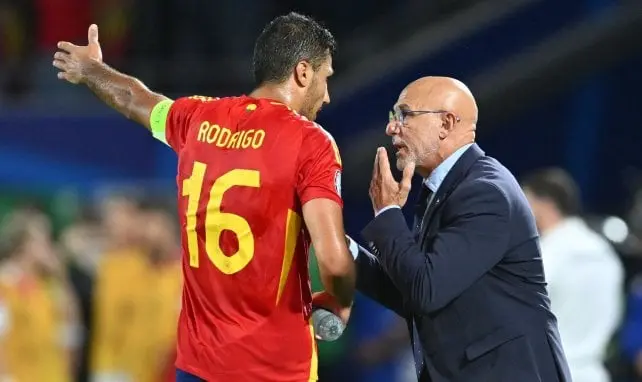
No official confirmation has backed up these claims, and many observers have cautioned against treating the reports as factual statements. Nevertheless, the speculation sparked widespread discussion among fans and analysts, largely due to Yamal’s rising prominence within Spanish football. When a player considered a future superstar is linked to stories involving internal disagreements, the issue naturally attracts significant public attention.
Football experts in Spain have pointed out that situations like this are not uncommon in elite international football. National teams typically bring together players from different clubs, backgrounds, and tactical systems, creating highly competitive environments. Players who perform at the highest club level each week generally develop strong opinions regarding standards, preparation, and performance expectations. In many cases, these competitive dynamics remain internal and are handled professionally behind the scenes.
The Spanish national team is currently in a phase of rebuilding and long-term planning. Following the successes of previous generations who dominated international football between 2008 and 2012, the country has spent several years searching for a new identity capable of returning Spain to the pinnacle of world football. The emergence of younger players like Lamine Yamal has renewed fans’ optimism about the future.
Luis de la Fuente has played a significant role in shaping this transitional period. Since taking charge of the national team, he has emphasized tactical organization, technical discipline, and collective unity. He is known for maintaining strong communication with his players and fostering a team-first mentality, something considered essential in modern international football. For this reason, many analysts believe that any potential disagreements within the team would be resolved quickly and professionally.
The debate surrounding Yamal also highlights the pressures placed on young elite players in today’s football environment. Modern footballers are exposed to extraordinary levels of scrutiny from a very young age. Every performance, interview, and social media interaction can become a major story within hours. Young stars are expected not only to perform consistently but also to demonstrate maturity in situations involving media pressure and public expectations.
At FC Barcelona, Yamal has already experienced what it means to operate under intense scrutiny. Barcelona remains one of the biggest clubs in world football, where expectations are exceptionally high regardless of a player’s age. Competing at that level forces players to develop both mentally and technically. Many former professionals believe that these kinds of experiences can help young players become stronger leaders over time, although they also acknowledge that mistakes and misunderstandings are part of the development process.
Within the Spanish national team, there is currently significant competition for starting positions. Spain possesses an impressive group of midfielders, attackers, and technically gifted players capable of fitting into De la Fuente’s possession-based philosophy. As a result, debates about the squad selection have become increasingly heated among fans and the media.
Some football commentators believe that the recent rumors should be viewed within the broader context of competitive ambition rather than interpreted as evidence of a serious internal problem. Elite athletes often demand high standards from themselves and their teammates. In locker rooms filled with ambitious professionals, disagreements over footballing matters are not necessarily signs of dysfunction. In many successful teams throughout football history, strong personalities and demanding expectations have coexisted alongside unity and professionalism.
Spain’s recent performances under De la Fuente suggest that the team atmosphere remains generally stable. The national team has shown signs of tactical improvement, particularly in terms of defensive structure and ball circulation. Younger players have gradually integrated alongside experienced internationals, creating a squad that many believe could become one of the strongest teams heading into the next World Cup cycle.
The role of leadership within the team will be particularly important in the future. While Yamal represents the future of Spanish football, the
Experienced players and the coaching staff will continue to play a crucial role in maintaining balance and perspective within the team. International tournaments are often won not only through talent but also through discipline, emotional control, and collective confidence.
Luis de la Fuente seems fully aware of this reality. Throughout his coaching career, he has consistently emphasized the importance of group harmony. Many within Spanish football describe him as a calm and methodical coach who prefers to resolve issues privately rather than publicly. This management style may become especially valuable as younger stars continue to gain influence within the national system.
The situation also reflects the changing nature of modern football media. Rumors and speculative reports can spread globally in a matter of minutes, often without verification. Statements attributed to players are sometimes exaggerated or taken out of their original context, generating debates that may not accurately reflect the actual atmosphere within a team. Therefore, many journalists and former players have urged caution before drawing conclusions about the internal dynamics within the Spanish national team.
From a sporting perspective, Spain’s main objective remains preparing for the future. The federation, coaching staff, and players understand that the 2026 World Cup represents a great opportunity to re-establish Spain among the elite teams of international football. The talent available within the current generation gives fans reason for optimism, but success in major tournaments depends on more than just individual brilliance.
Historically, Spain’s greatest achievements came when technical quality was combined with extraordinary unity and tactical discipline. The legendary teams that won Euro 2008, the 2010 FIFA World Cup, and Euro 2012 triumphed because every player understood their role within a collective structure. While stars like Andrés Iniesta and Xavi Hernández received worldwide recognition, the team’s success was ultimately due to cohesion and consistency.
Many fans hope the current generation can recreate that spirit. Players like Lamine Yamal possess the technical talent to become global superstars, but Spain’s long-term success will likely depend on how effectively individual talent is integrated into a cohesive system. Balancing youthful confidence with collective responsibility will be one of the defining themes of this new era.
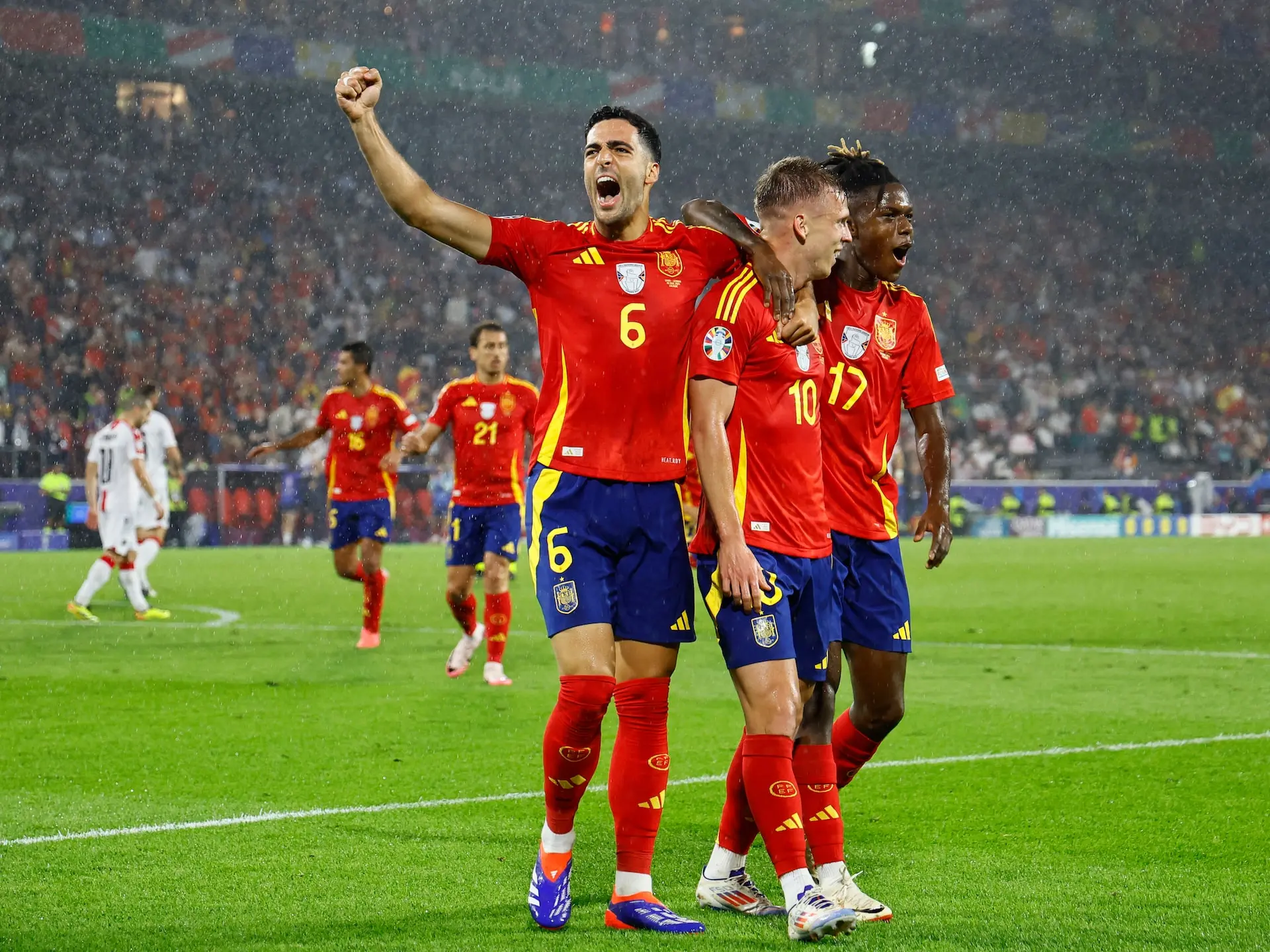
As preparations for the World Cup continue, attention will remain focused on how Spain develops tactically and mentally under De la Fuente. The friendlies, qualifiers, and major tournaments over the next two years will provide opportunities for the players to strengthen their chemistry and define their roles within the team.
For Lamine Yamal personally, this period represents another important step in his development. Extraordinary talent comes with increasing responsibility, both on and off the pitch. Many of football’s greatest players faced similar moments early in their careers and learned to manage pressure, expectations, and leadership as their influence grew.
Ultimately, the bigger picture surrounding the Spanish national team remains positive. The squad is brimming with promising talent, the technical structure appears stable, and the fans are increasingly hopeful for the future. While rumors and speculation may continue to circulate about the top teams and high-profile players, the true measure of Spain’s progress will be determined on the pitch, where teamwork, discipline, and quality remain the most important factors of all.