
Live TV Clash Sparks Fresh Debate Over Citizenship Scrutiny and Political Conduct
A heated exchange on a nationally televised current affairs program this week reignited debate over citizenship transparency, political accountability, and the increasingly theatrical nature of Australian political discourse.
The confrontation unfolded during a prime-time broadcast featuring Senator Pauline Hanson, leader of One Nation, and Senator Fatima Payman, a prominent Labor figure whose political rise has drawn significant public attention. What began as a policy discussion quickly escalated into one of the most talked-about political television moments of the year.
At the centre of the clash was the long-running sensitivity in Australian politics surrounding Section 44 of the Constitution, which requires federal parliamentarians to avoid dual citizenship or allegiance to a foreign power. The issue has previously unseated several MPs across party lines during the 2017–2018 constitutional eligibility crisis, a period that reshaped candidate vetting procedures nationwide.
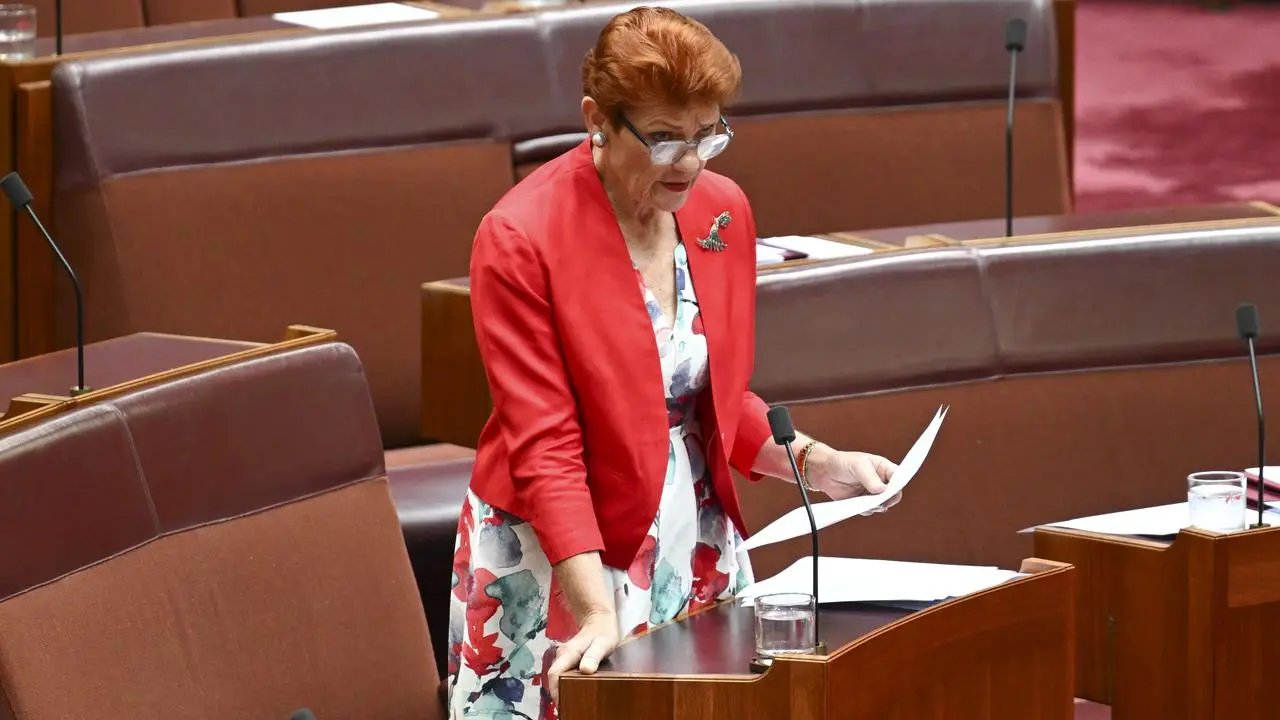
Senator Hanson referenced that history during the program, arguing that “every member of parliament must meet identical constitutional standards, without exception.” Her remarks were framed as a call for procedural transparency rather than a direct legal accusation. Still, the atmosphere in the studio shifted palpably.
Senator Payman responded forcefully, rejecting any implication of impropriety and characterizing the scrutiny as politically motivated. The exchange grew sharper when she accused Hanson of weaponizing constitutional technicalities for partisan gain. According to audience members present in the studio, the tension became “visibly uncomfortable,” with moderators briefly intervening to restore order.
While reports circulating online have exaggerated the tone of the exchange, footage confirms that the debate became intensely personal. Payman challenged Hanson’s motives, arguing that repeated public insinuations risk undermining trust in democratic institutions. Hanson, in turn, insisted that constitutional compliance is “not personal, but fundamental.”
The most striking moment came when the moderator attempted to redirect the conversation back to broader governance issues, yet both senators continued pressing their points. Hanson leaned forward, speaking deliberately: “Standards apply equally to everyone—no exceptions.” The sentence, delivered evenly amid raised voices, drew audible reactions from the live audience.
Observers later disagreed about whether applause followed in support of Hanson’s composure or simply as relief at the debate’s de-escalation. Political communication experts noted that live audiences often respond more to tone and emotional control than to the substance of the argument itself.
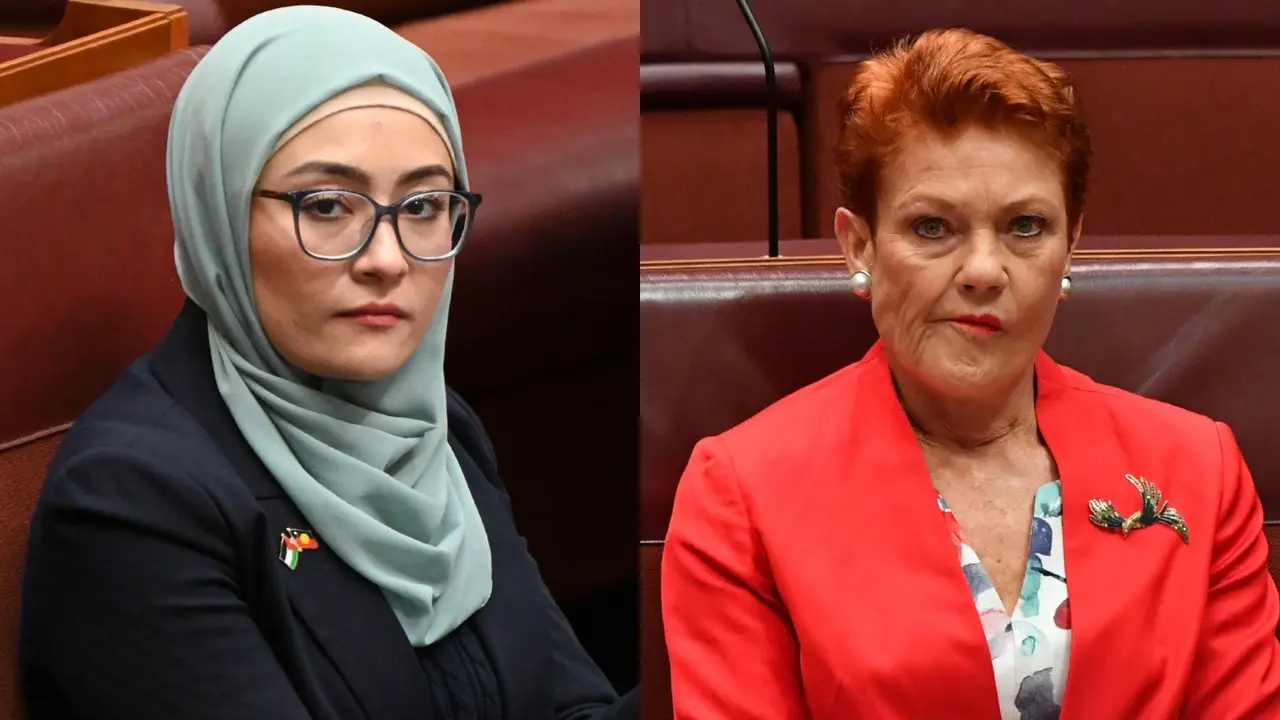
Professor Amelia Grant, a media analyst at the University of Sydney, commented the next day that “televised confrontations increasingly reward restraint. Viewers tend to interpret calmness as authority, regardless of policy specifics.” She added that viral clips rarely capture the full complexity of such exchanges.
Beyond the spectacle, the episode underscores ongoing public sensitivity regarding constitutional eligibility. Although there is no verified evidence of current breaches in this case, the mere invocation of citizenship compliance carries political weight. Australia’s earlier eligibility crisis demonstrated how procedural oversights—even administrative ones—can end careers and destabilize governments.
Labor officials moved quickly to reiterate that all party candidates undergo rigorous legal vetting prior to nomination. A spokesperson described the controversy as “manufactured political theatre,” emphasizing that no formal inquiry has been initiated. One Nation representatives, meanwhile, framed the discussion as part of a broader push for institutional transparency.
The incident also reflects deeper fractures within Australia’s political landscape. Minor parties have increasingly leveraged media moments to challenge major-party dominance, particularly amid voter disillusionment and fragmented electoral loyalties. Dramatic exchanges can amplify visibility, especially when clipped and shared widely on social media platforms.
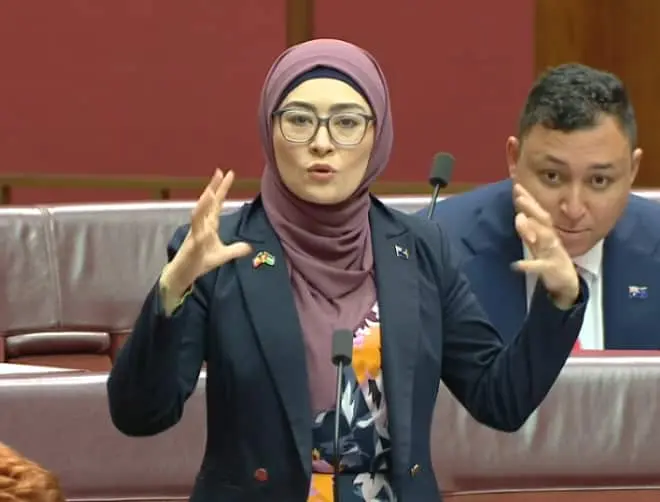
Yet seasoned observers caution against overstating the long-term impact of a single broadcast confrontation. Parliamentary outcomes are determined by legislative negotiation and electoral cycles, not studio applause. Still, perception can influence momentum, and momentum shapes campaign narratives.
Within hours of the broadcast, hashtags referencing the debate trended nationally. Supporters of both senators framed the exchange as a defining moment: one side portraying Hanson as steadfast under pressure, the other depicting Payman as defending her integrity against insinuation. The polarization illustrates how modern political identity often crystallizes around symbolic encounters rather than policy detail.
What remains undisputed is that the confrontation has revived public conversation about constitutional safeguards and political accountability. Section 44, once considered arcane constitutional text, has become a household reference point. The threshold question—how strictly eligibility rules should be policed in public discourse—continues to divide opinion.
Political historian Dr. Marcus Llewellyn observed that “democracies periodically revisit foundational rules during moments of tension. It is part of institutional self-correction.” He noted that Australia’s constitutional framework, while sometimes rigid, has endured precisely because controversies are ultimately resolved through legal and electoral processes rather than rhetoric alone.
As for the individuals involved, both senators returned to parliamentary duties the following morning. Neither issued formal retractions. Instead, each reiterated her position through carefully worded press statements—Payman emphasizing unity and inclusive representation, Hanson reaffirming constitutional vigilance.
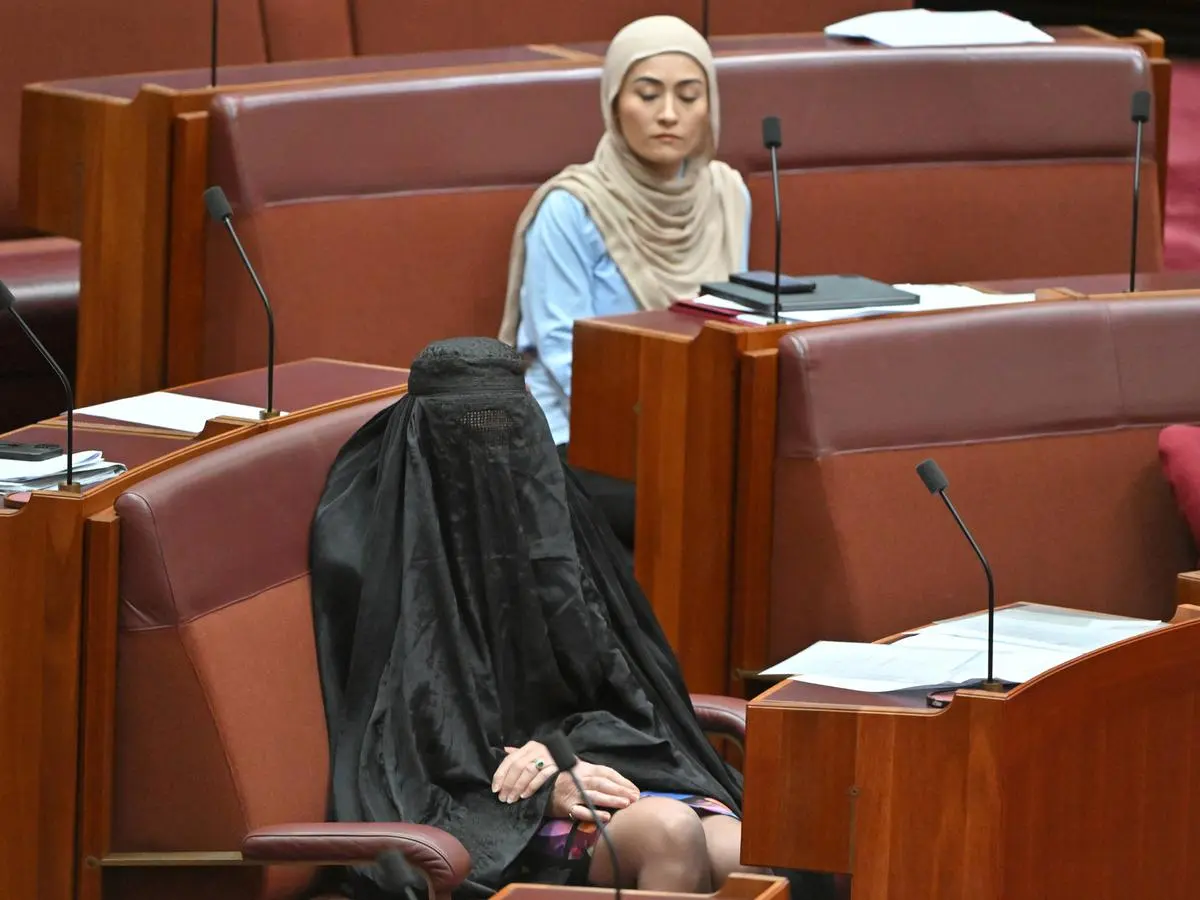
The broader lesson from the televised clash may be less about personal rivalry and more about the evolving theatre of politics itself. Live media environments compress complex constitutional questions into emotionally charged exchanges. The challenge for participants is balancing firmness with civility—a task easier described than performed under studio lights.
Whether the episode alters legislative trajectories remains uncertain. But it has undeniably reinforced a central tension in contemporary politics: how to uphold institutional standards without converting procedural scrutiny into spectacle.
In that sense, the night’s most enduring takeaway may not lie in who spoke louder or who received louder applause, but in the reminder that democratic accountability depends on both transparency and restraint. And in an era where every moment is recorded, clipped, and replayed, composure itself has become a form of political currency.