
🚨 Westminster in Turmoil: Controversial Remarks Ignite Nationwide Debate on Free Speech and Social Responsibility
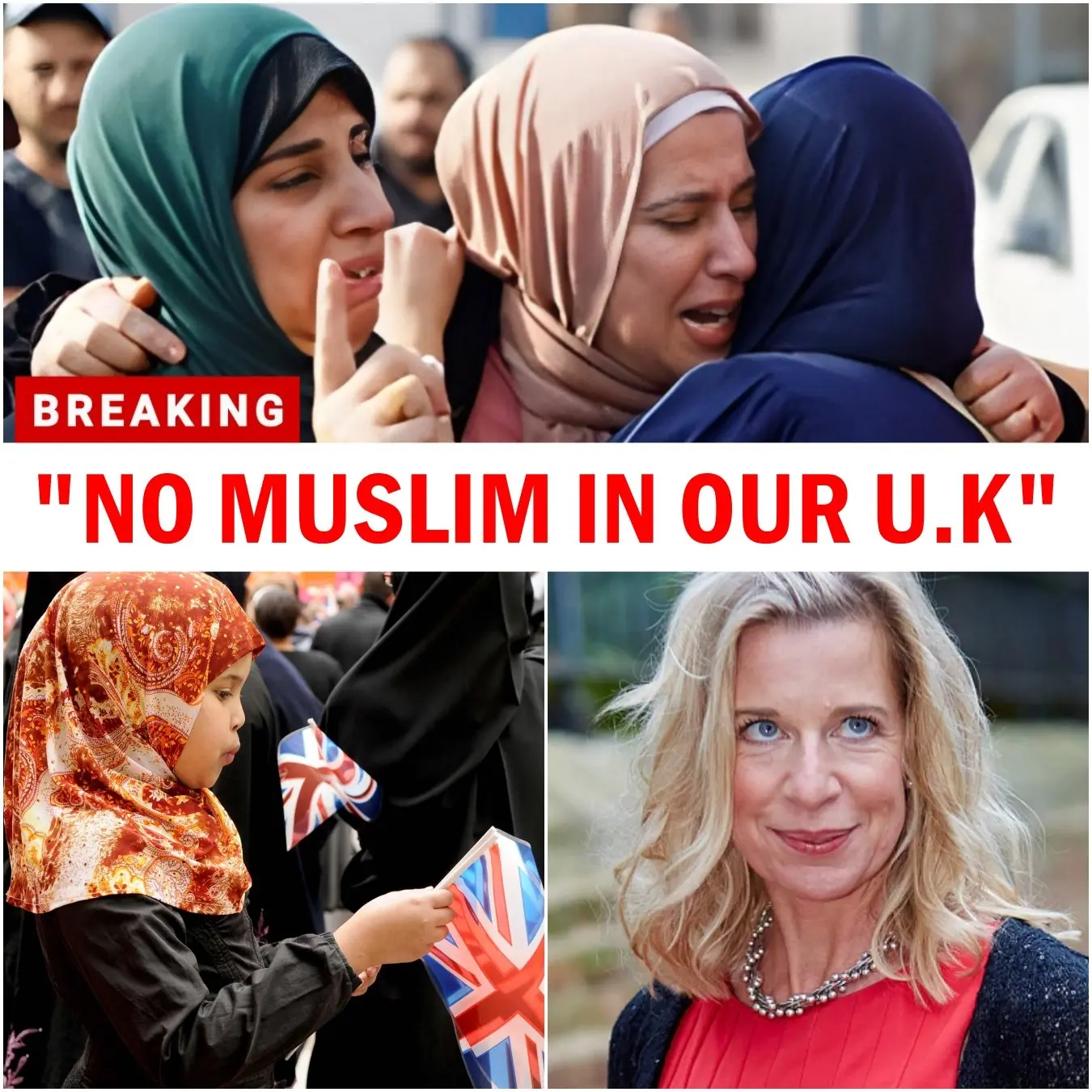
The political atmosphere in Westminster has intensified following controversial remarks that triggered widespread reactions across the United Kingdom, pushing discussions about immigration, public discourse, and accountability into the national spotlight.
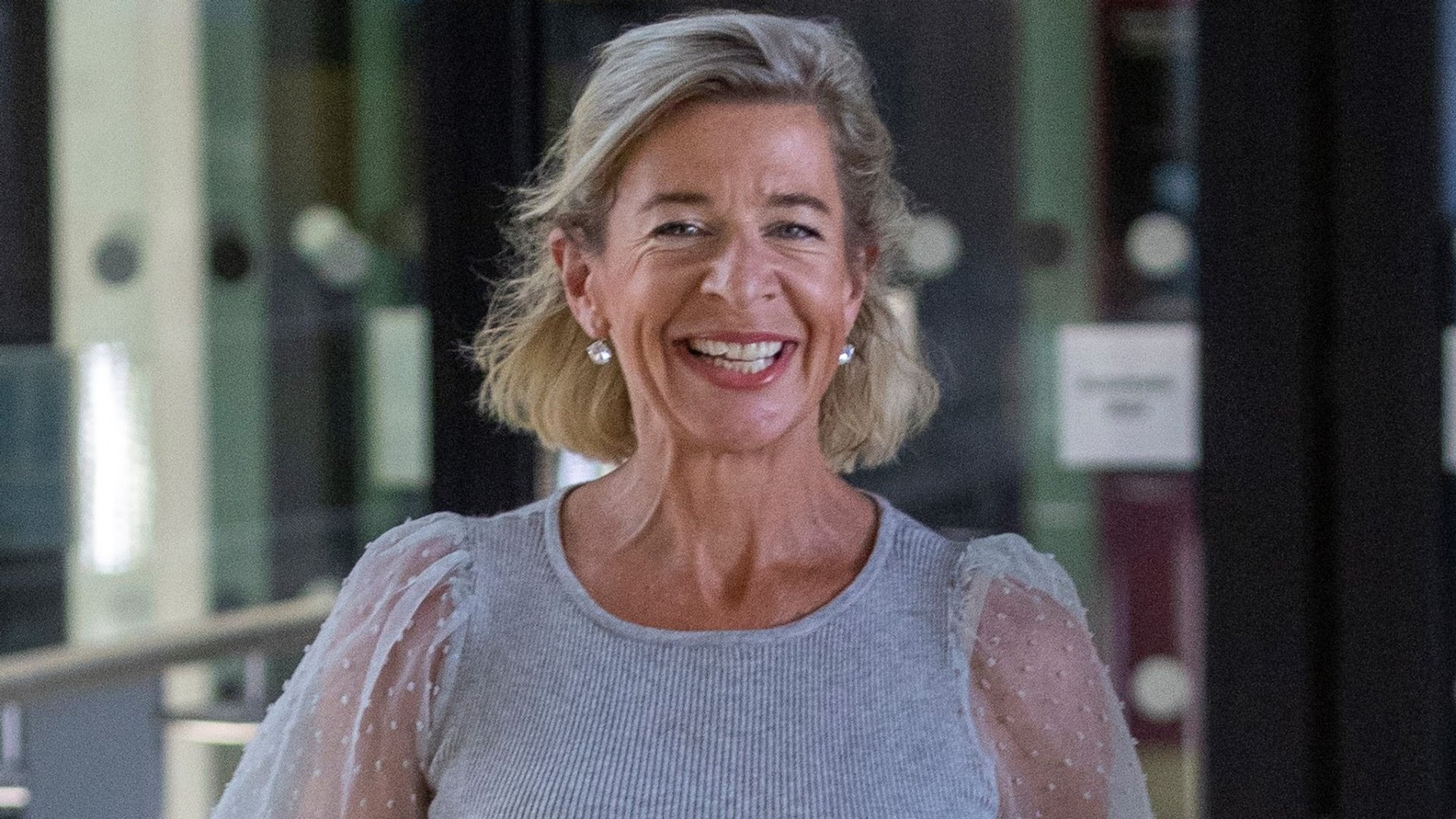
At the center of the storm is Katie Hopkins, whose statements during a heated exchange rapidly escalated into a broader political and social debate.
The moment, captured and widely circulated online, has become one of the most discussed incidents in recent political discourse, drawing attention from both supporters and critics nationwide.
What began as a discussion on immigration policy quickly transformed into a confrontation that exposed deep divisions within public opinion and political ideology.
Observers noted that the tone of the exchange shifted dramatically within seconds, reflecting the underlying tensions surrounding immigration issues in the UK.
Supporters of Hopkins argue that the remarks reflect frustration shared by a segment of the population regarding border control and perceived gaps in policy enforcement.
They frame the incident as an example of unfiltered speech that resonates with individuals who feel unheard in mainstream political discussions.
However, critics have strongly condemned the language used, describing it as harmful and potentially contributing to social division.
Many emphasize the importance of responsible communication, particularly from public figures whose words carry significant influence.
The debate has quickly expanded beyond the individuals involved, evolving into a broader conversation about the limits of free speech.
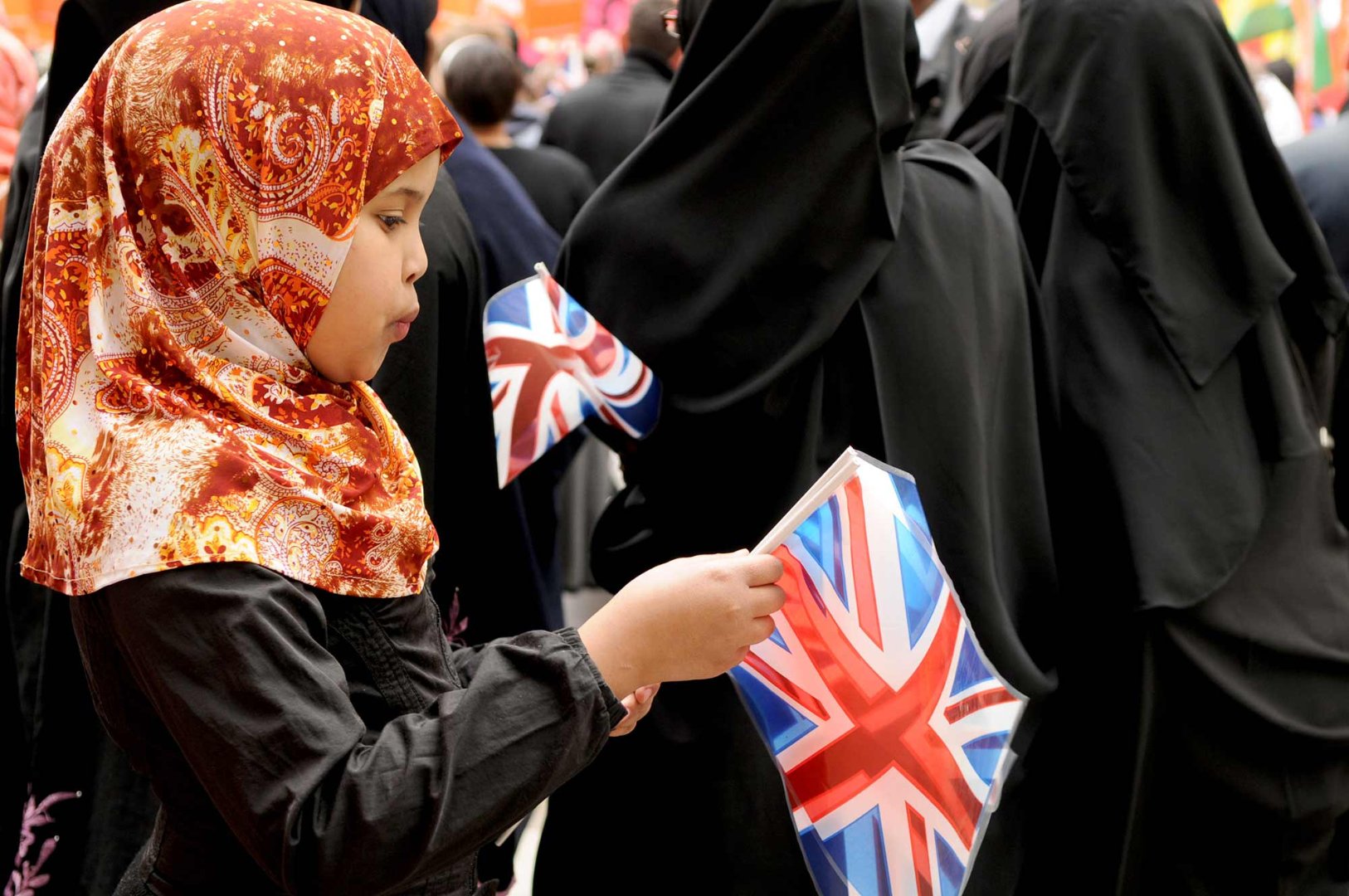
In the United Kingdom, freedom of expression is a fundamental value, but it exists alongside legal and ethical considerations designed to protect communities.
This balance has become a central point of contention in the current discussion, with differing views on where boundaries should be drawn.
Political analysts suggest that incidents like this often act as flashpoints, bringing underlying societal tensions to the surface.
The rapid spread of the clip across social media platforms has amplified its impact, reaching audiences far beyond the original setting.
Within hours, hashtags related to the incident began trending, reflecting the intensity of public engagement.
Some users expressed support, while others called for accountability, illustrating the polarized nature of the response.
The role of digital media in shaping modern political narratives is evident in how quickly the situation escalated.
Short clips, often lacking full context, can influence perceptions and drive reactions before detailed information emerges.
This dynamic adds complexity to public discourse, where interpretation can vary widely depending on perspective.
In response to the backlash, several public figures and organizations have weighed in, calling for a more measured approach to sensitive topics.
They stress that discussions about immigration require nuance, empathy, and factual accuracy.
At the same time, others argue that restricting strong opinions risks limiting open debate on critical national issues.
This tension highlights the ongoing challenge of balancing open dialogue with social cohesion.
Within Parliament, the incident has prompted renewed calls for clarity regarding acceptable language in political debate.
Some lawmakers advocate for stricter standards, while others caution against measures that could be perceived as limiting expression.
The situation also reflects broader trends in European politics, where immigration remains a highly contested topic.
Economic factors, cultural identity, and security concerns all contribute to the complexity of the issue.
As a result, discussions often evoke strong emotional responses from both sides of the debate.
Experts note that such moments can influence public opinion and potentially shape future policy discussions.
They can also impact the reputations of those involved, depending on how the situation is managed.
For Hopkins, the incident represents a significant moment in her public profile, drawing both support and criticism.
How she responds moving forward may affect how the narrative evolves in the coming weeks.
Meanwhile, the broader political environment continues to react, with media coverage sustaining attention on the issue.
Television panels, opinion columns, and online discussions are all contributing to the ongoing conversation.
The intensity of the debate suggests that the topic will remain relevant beyond the immediate news cycle.
For many observers, the incident serves as a reminder of the power of language in shaping public discourse.
Words can influence perceptions, reinforce divisions, or encourage constructive dialogue, depending on how they are used.
In politically sensitive contexts, this responsibility becomes even more significant.
The UK’s diverse society adds another layer of complexity, requiring careful consideration of different perspectives.
Maintaining social cohesion while addressing legitimate concerns is a challenge faced by policymakers and public figures alike.
As the situation continues to unfold, attention will likely focus on the long-term implications for political communication.
Will this moment lead to greater awareness and restraint, or further polarization in public debate?
While the answer remains uncertain, the impact of the incident is already evident in the scale of the response.
Ultimately, the discussion extends beyond a single event, touching on fundamental questions about democracy and dialogue.
The balance between free speech and responsibility remains a defining issue in contemporary society.
And as debates continue, the events in Westminster will stand as a notable example of how quickly words can reshape the national conversation.